History and traditions of Huércal-Overa
The origins, voices and places of its Holy Week.
The memory of a
Holy Week.
Local history can be read in the squares, the church of La Asunción and the brotherhoods’ records. These places help explain a Holy Week shaped by successive generations.
Discover its traditionsThree milestones in the town’s history
Three milestones to place the history in context. The first written reference to a brotherhood is not the origin of the whole celebration.
- 1668
Independence from Lorca
On 3 March 1668, Huércal and Overa became independent of Lorca and gained town status. Residents funded the purchase from the royal treasury.
Turismo de Huércal-Overa · historia - 1739
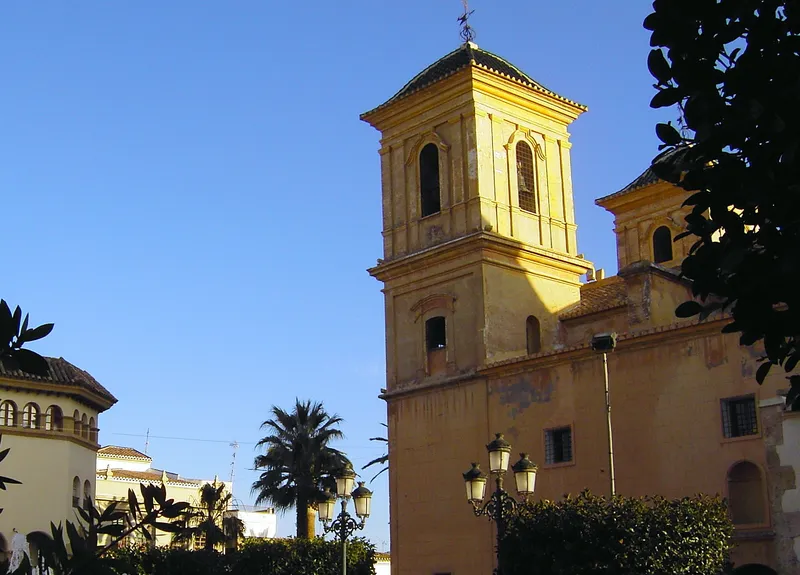
The new parish church
The church of Nuestra Señora de la Asunción was planned in 1709 and completed in 1739. Its twin towers and José Ganga’s altarpiece form part of the town’s Baroque heritage.
Turismo de Huércal-Overa · iglesia de la Asunción - 1983
Tourist recognition
In 1983, Holy Week gained Tourist Interest status. This recognises its tradition and is separate from the confirmation of an annual programme.
BOE · resolución de 25 de octubre de 1983, Fiestas de Interés Turístico
Traditions carried into the streets
Traditional context, without times for a specific edition. To plan a visit, check the agenda.
Squares, churches and chapels
04 / DocumentationSources for this history
History and heritage sources help explain the town. Times and routes require a programme for the relevant edition.
- Turismo de Huércal-Overa · Semana Santa
- Turismo de Huércal-Overa · historia
- Turismo de Huércal-Overa · iglesia de la Asunción
- Turismo de Huércal-Overa · Noche de las Lumbres
- Ayuntamiento · Semana Santa de Huércal-Overa 2026
- Paso Morado · sede canónica
- Paso Negro · historia y origen
- BOE · resolución de 25 de octubre de 1983, Fiestas de Interés Turístico